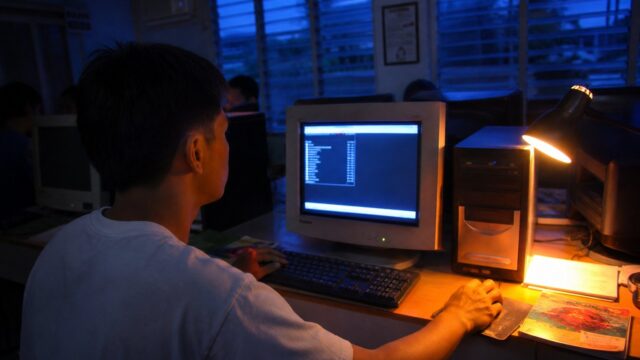
A museum for software sounds like a contradiction — the whole point of free software is that it never sits behind glass. The Open Source Museum made the idea work anyway: a collection of technology artefacts, stories and people, assembled to show Filipino students where the tools they used every day actually came from.
The concept
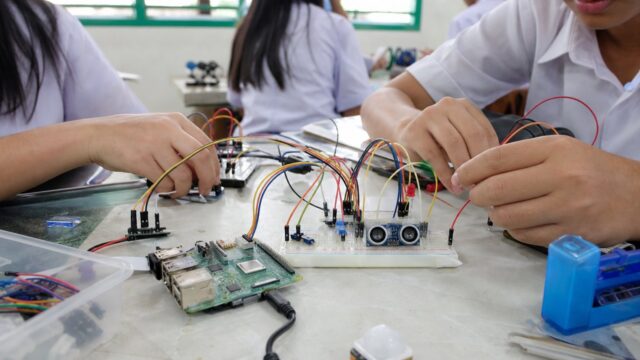
The museum enabled visitors to explore collections “for inspiration, learning and enjoyment,” telling stories of collaboration, innovation and liberation through accessible technology artefacts. In practice that meant exhibits that traveled: meetups, seminars, trainings and school visits rather than a single permanent hall. The collection told the history of free software as a human story — the people who wrote it, the communities that maintained it — instead of a version-number timeline.
The school circuit
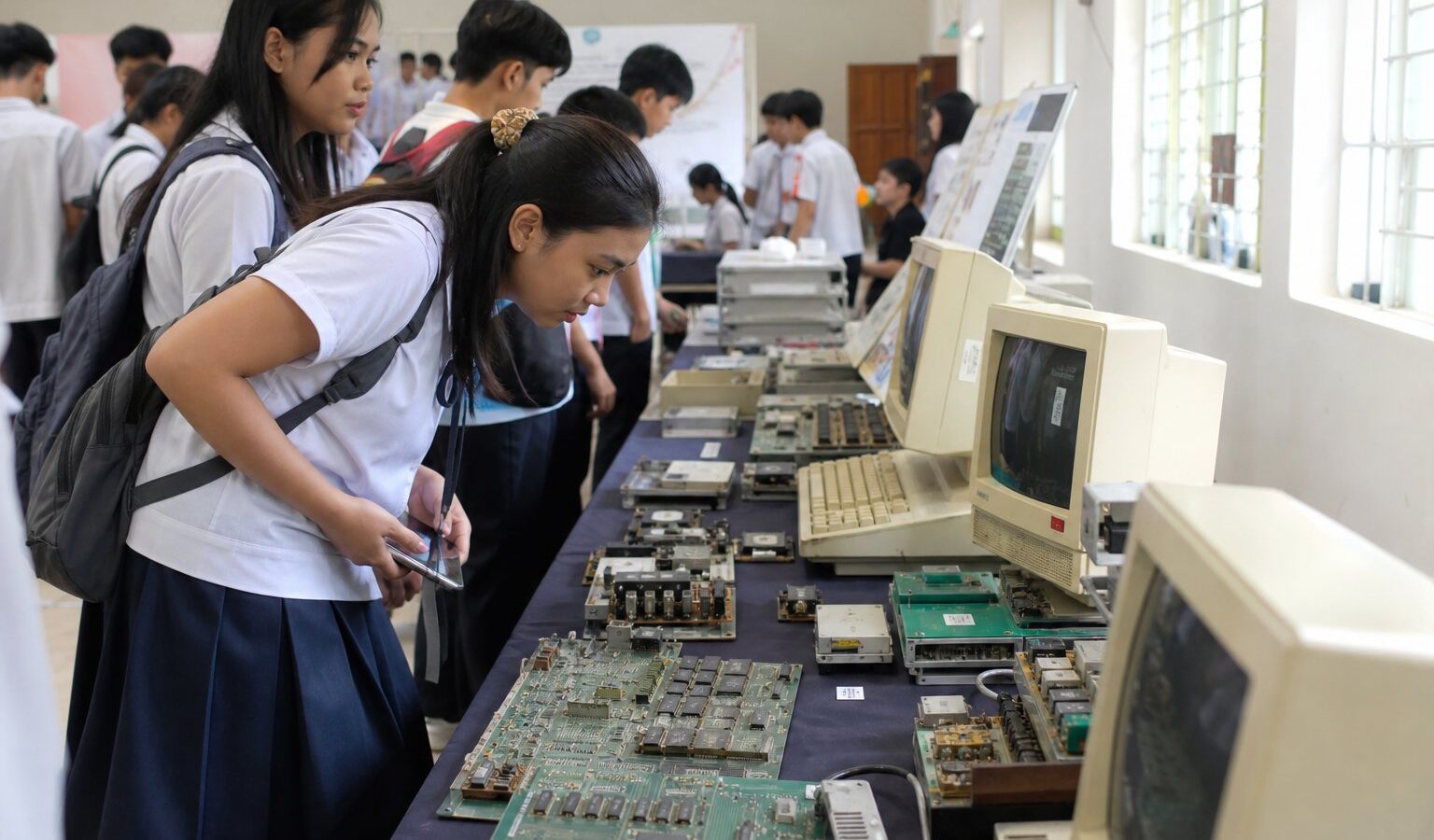
The documented partner list reads like a map of Metro Manila’s technical education: West Capitol Institute of Technology, St. Paul Quezon City, Pamantasan ng Lungsod ng Valenzuela, and the Polytechnic University of the Philippines all hosted or participated in museum activities. For many of those students, the museum was the first encounter with the idea that software had a history at all — and that Filipinos, through projects like KahelOS, were part of it.
What survives
The museum’s institutional trail fades after the late 2010s, along with much of the community infrastructure of that era. Its premise aged better than its website: the “story of collaboration” framing is now standard in how coding schools teach open source, and the same universities on its partner list feed today’s hackathon circuit. Institutional memory in Philippine tech tends to live in people rather than archives — this record exists to put some of it back in writing.
There’s also a practical lesson in the model for anyone running tech-education outreach today: the museum never asked schools for budget, only for a hall and an afternoon. That’s why the partner list grew — a zero-cost, high-novelty visit is the easiest yes a principal can give. The same logic now powers the traveling robotics demos and cybersecurity awareness caravans that succeeded it.
How an exhibit actually ran
A museum without a building runs on logistics. A typical activation paired the artifact tables — boards, drives, shells of old machines, printouts of famous source code — with a talk or hands-on session, so the history lesson landed next to a working demonstration. Meetups and seminars carried the collection to adults; the school visits did the real work, putting artifacts in front of students who had never seen the inside of the machines they used daily. The tone stayed deliberately celebratory: stories of collaboration, innovation and liberation, told through objects you could touch.
It was also, quietly, a recruitment mechanism. A student who lingered at the KahelOS demo table had a user group’s contact by the end of the visit — the same soft pipeline that install-fests and Software Freedom Day events ran in parallel.
Frequently asked questions
What was the Open Source Museum?
A Philippine advocacy project that assembled technology artifacts, stories and people into a traveling collection — exhibited through meetups, seminars, trainings and school visits rather than a permanent hall.
Which schools hosted the museum?
The documented partner list includes West Capitol Institute of Technology, St. Paul Quezon City, Pamantasan ng Lungsod ng Valenzuela and the Polytechnic University of the Philippines.
Does the Open Source Museum still exist?
Its institutional trail fades after the late 2010s alongside much of that era’s community infrastructure. No successor project has picked up the collection publicly — part of why this record exists.
Why build a museum for software at all?
To give free software a human history — the people and collaborations behind the tools — for students who encountered software only as a product. The framing has since become standard in how coding schools teach open source.