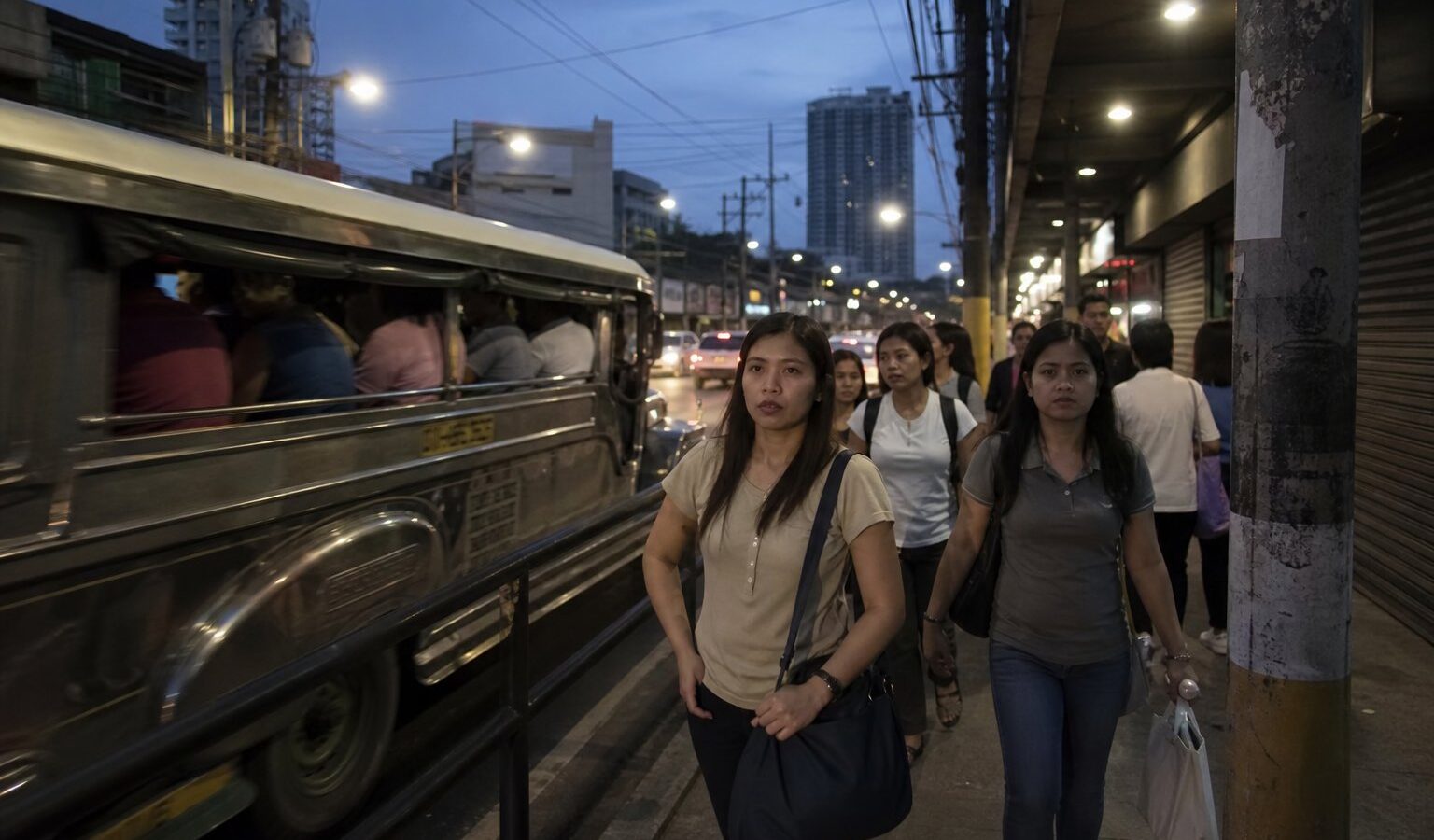
Safe Cities Hackathon: UN Women’s Tech Challenge in the Philippines
In May 2016, UN Women handed harassment data to 56 Filipino developers. This is the record of what they built.
Three out of five women in Quezon City reported experiencing sexual harassment in public spaces; among women aged 18–24, the figure reached 88 percent. Those were the numbers UN Women put in front of 56 Filipino developers in May 2016, at an event that remains one of the most consequential civic hackathons the country has produced: the Safe Cities Hackathon. This record documents what happened, who built what, and what came of it.
The event: 24 hours in Quezon City, Philippines
| Item | Detail |
|---|---|
| Pre-event workshop | May 14, 2016 |
| Main hackathon | May 21–22, 2016 (24-hour session) |
| Venue | Korea Philippines IT Training Center, Quezon City |
| Participants | 56 hackers across Professional and Student categories |
| Organizers | UN Women Safe Cities Metro Manila Programme with 8layer Technologies Inc.; Quezon City government as partner |
| Funding | Spanish Agency for International Development Cooperation (AECID) |
The Safe Cities Hackathon in the Philippines sat inside a much larger frame: UN Women’s Safe Cities Global Flagship Programme, which by then spanned more than 24 cities worldwide. Metro Manila was one of its pilot sites, and the Quezon City data above came from the programme’s own scoping study — the hackathon was the programme deciding to hand its research to technologists and see what they would build.
What the winning teams built at the Safe Cities Hackathon
In the Professional category, 24-year-old Clau Yagyagan won with DLock: one-click emergency messaging and calling, a city directory of police stations, fire stations and hospitals, and a reporting feature that connected users within a set radius. “I’m really happy that I joined the hackathon,” Yagyagan told UN Women afterwards — the quote survives in the agency’s own coverage of the event.
The Student category went to Lester’s Pips from Pamantasan ng Lungsod ng Maynila — Marc Joseph S. Aviñante, Ma. Richelle B. Aguilar, Allen Benedict J. Magpoc and Roemil G. Cabal — for ScAFE, an app that identified safe, crowded locations, messaged patrol areas, and alerted family and friends. At the pre-event workshop, Lisa Garcia of the Foundation for Media Alternatives had presented the Aksyon VAW app as prior art: proof that rights-education tooling for Filipino women already had a footprint.
Quezon City Administrator Aldrin Cuña committed on record to exploring mobile apps for women’s safety after the event — an unusually concrete government response for a hackathon, and part of why UN Women Safe Cities Hackathon coverage still gets cited in civic-tech discussions years later.
Why UN Women’s Manila hackathon still matters
The event set a template that Philippine civic hackathons still follow: a real institution arrives with real data, categories separate students from professionals, and the host government sits on the judging side rather than the sponsorship banner. The events guide traces that lineage through to today’s eGovPH Hackathon. It also marked an early case of the UN system treating Filipino developer communities as implementation partners rather than beneficiaries — UN Women’s Asia-Pacific office documented the event in its own stories, which remain the primary sources for this record.
What became of DLock and ScAFE after the demo tables were packed up is harder to trace — neither shipped as a maintained public app, a fate shared by most hackathon prototypes. The datasets, though, kept moving: the same harassment-prevalence numbers resurfaced in Quezon City’s later safe-spaces ordinance discussions.
Frequently asked questions
What was the Safe Cities Hackathon?
The Safe Cities Hackathon in the Philippines was a 24-hour civic event held May 21–22, 2016 in Quezon City, where 56 developers built mobile tools against street harassment, organized under UN Women’s Safe Cities Metro Manila Programme with 8layer Technologies Inc. and the Quezon City government.
Who won the Safe Cities Hackathon in the Philippines?
Clau Yagyagan took the Professional category with DLock (emergency messaging plus a city safety directory); team Lester’s Pips from PLM won the Student category with ScAFE, a safe-route and alert app.
Was the UN Women Safe Cities Hackathon part of a bigger program?
Yes — the UN Women Safe Cities Hackathon was the technology-facing component of the Safe Cities Global Flagship Programme, active in over 24 cities at the time and funded in Manila by the Spanish development agency AECID.