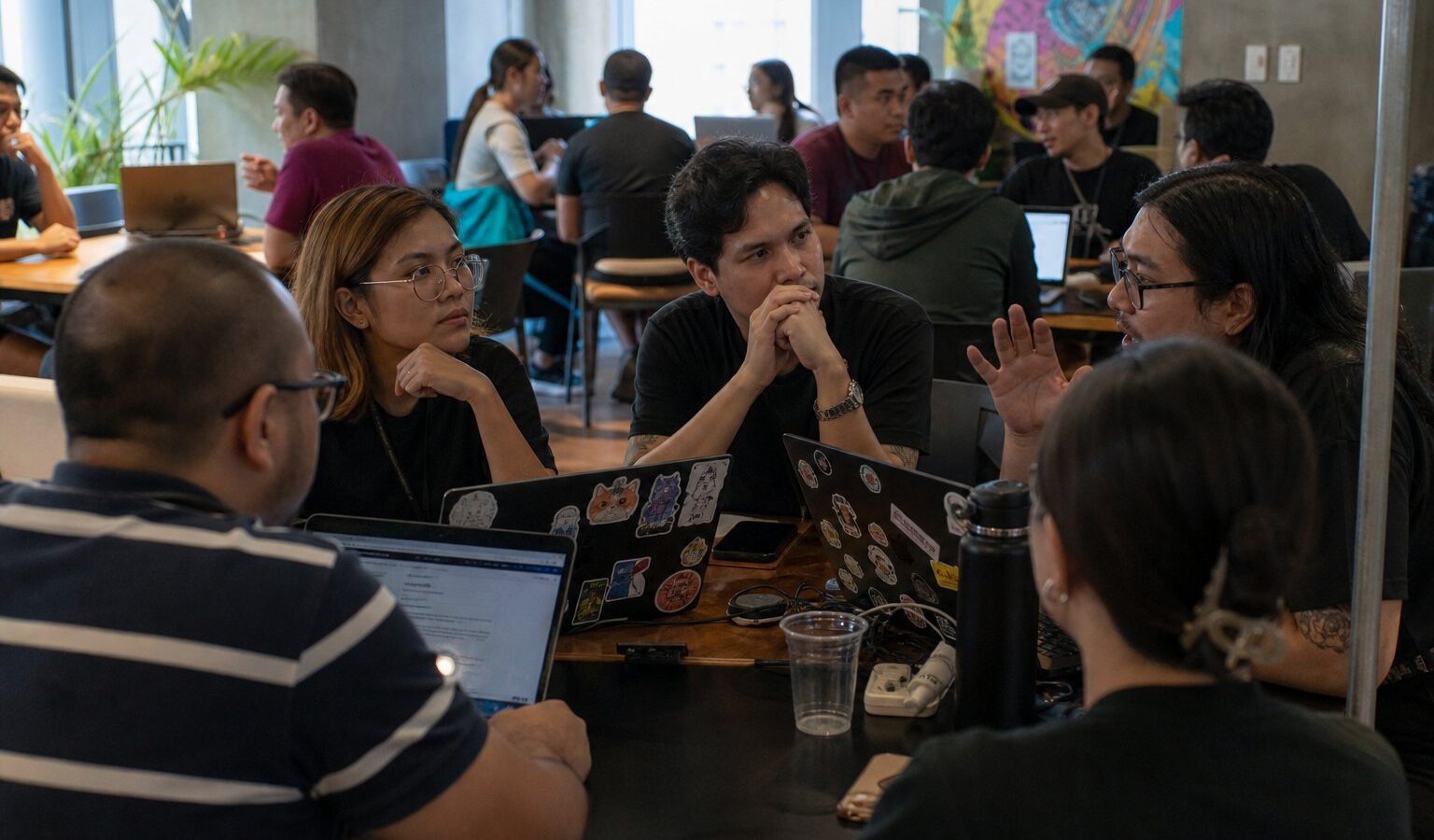
The 2015 edition of the global Linux anniversary celebration reached the Philippines as a “Kamustahan” — a catching-up. Organized by 8layer Technologies, an open-source architect company, in partnership with the Foundation for Media Alternatives (FMA), Linux Day 2015 gathered the people who kept the country’s free-software scene running: community leaders, internet-freedom advocates, open-government and open-data proponents, and working engineers.
A meetup, deliberately not a conference
The Kamustahan framing was the point. Rather than talks from a stage, the event was built around the community taking stock of itself — who was still maintaining what, which advocacy fronts (internet freedom, open data, open government) needed hands, and where the next generation of Linux users would come from. August 2015 placed it one month before Hack UP brought intercollegiate hackathon culture to UP Diliman, and the overlap in organizers was no coincidence.
Why a 2015 meetup is worth a record
Nothing about a community meetup generates headlines, which is exactly why events like this vanish from the record while their consequences persist. The alliances visible at Linux Day 2015 — an open-source company, a media-alternatives NGO, student groups — are the same ones that surfaced nine months later running the Safe Cities Hackathon with UN Women, with FMA’s Lisa Garcia as a resource speaker. The Philippine open-source community of that era worked as a small, dense graph; this meetup was one of the places its edges got drawn.
The format also solved a problem conferences can’t: honesty. Status reports from a stage get polished; status reports over coffee include the failing mirror server, the user group that lost its venue, the project maintainer who quietly burned out. A scene that only meets at conferences learns its own condition years late.
Linux Day itself continues globally each year. The local scene it fed now runs through the campus and civic events tracked in the events guide.
The fronts that needed hands
The guest list doubled as a map of Philippine digital advocacy in 2015. FMA brought the internet-freedom and gender-and-ICT portfolios — the same organization would later put its Aksyon VAW app in front of the Safe Cities Hackathon participants. The open-data and open-government contingents were riding the momentum of the government’s early disclosure programs, arguing that transparency infrastructure should run on open stacks. And the pure-technology crowd — the KahelOS circle, campus Linux user groups, working sysadmins — supplied the hands that kept servers and install-fests running while the advocates argued policy.
What a Kamustahan produces is impossible to measure and easy to underrate: shared context. When the same faces met again at hackathons and school tours over the following years, nobody needed introductions. Funding proposals moved faster, venues got lent on a phone call, and a hackathon with a UN agency became organizable in months instead of years.
Frequently asked questions
What was Linux Day 2015 in the Philippines?
The local edition of the global Linux anniversary celebration, held August 2015 as a community “Kamustahan” — a deliberate catching-up meetup rather than a conference — organized by 8layer Technologies in partnership with the Foundation for Media Alternatives.
What does Kamustahan mean?
From “kamusta” (how are you) — a catching-up gathering. The format choice was the message: the community needed to take stock of itself, not sit through keynotes.
Who attended the meetup?
Open-source community leaders and active fellows, internet-freedom advocates, open-government and open-data proponents, and working engineers — the full breadth of the 2015 Philippine free-software scene in one room.
Does Linux Day still happen?
Globally, yes — the anniversary is marked every year. In the Philippines the energy moved into the campus hackathon circuit and events like Software Freedom Day, both covered in the events guide here.