Every third Saturday of September, the Digital Freedom Foundation coordinates Software Freedom Day across hundreds of cities — and the Philippine celebrations have historically punched above their weight, with UP Diliman serving as a recurring anchor venue for the Metro Manila events.
What the day actually involves
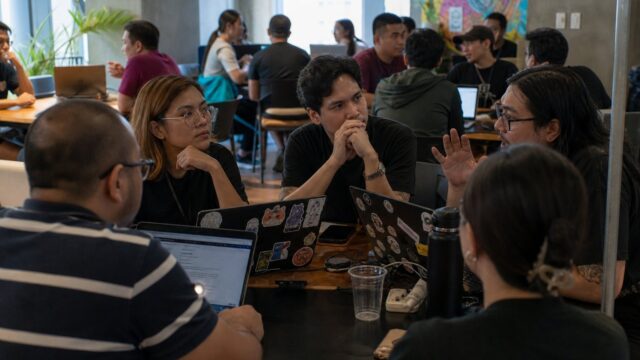
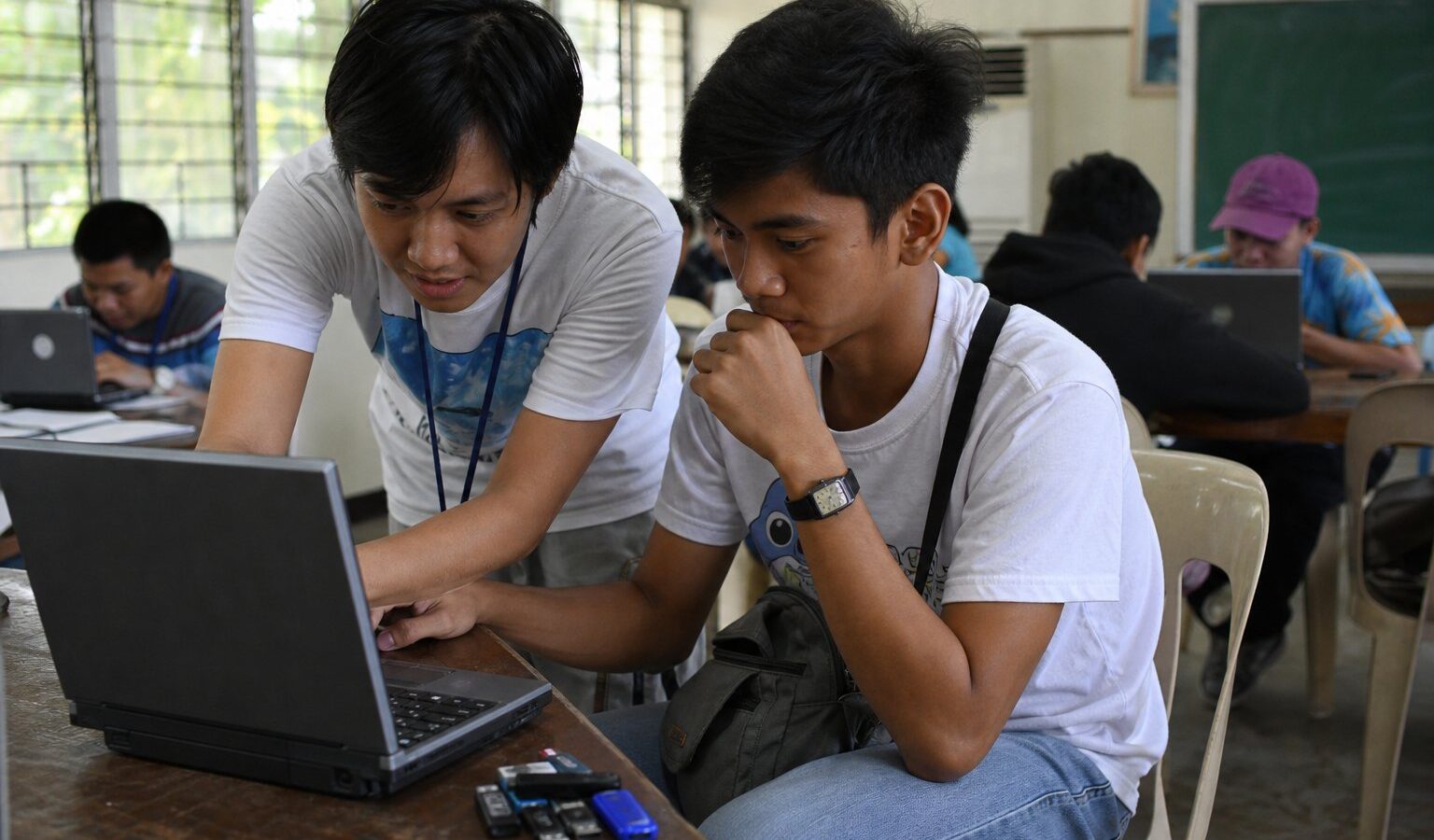
The format is deliberately low-barrier: install-fests where volunteers put Linux on visitors’ aging laptops, lightning talks on free-software projects, and demo tables from local user groups. No tickets, no sponsors’ keynotes. The Philippine editions of the 2010s folded in the same organizations that ran the Linux Day Kamustahan meetups — the open-source advocacy circle treated both dates as fixed points of the community calendar.
Why it mattered more here
Licensed software was, for most Filipino students of that era, unaffordable — which made piracy normal and free software a genuinely different proposition: legal, free, and modifiable. The day itself dates to 2004, when a small international team ran the first coordinated celebration; within a few years it had grown into one of the largest recurring free-software observances worldwide, with the Digital Freedom Foundation as its steward. The Philippine editions arrived early in that growth and kept a distinctly practical flavor.
Software Freedom Day events leaned into that argument. A student who left with a working Ubuntu install and a local user group’s contact details had a real alternative, not an ideology lecture.
The advocacy stuck in institutions, too. Government interest in open source — visible today in DICT digital-skills programs that teach Linux fundamentals — traces back through years of exactly this kind of grassroots normalization.
The day today
Software Freedom Day continues worldwide, and Philippine campus tech orgs still mark it, though the install-fest has given way to workshop formats now that Linux ships preinstalled on half the world’s cloud. The through-line to today’s scene runs through the campus hackathon circuit, where the free-software toolchain is simply assumed. That quiet assumption is what winning looks like for a movement that started with borrowed classrooms and USB sticks.
The record-keeping, as with most of this scene, is thinner than the activity was — event pages lapse, photo albums live in defunct social accounts. What survives reliably is the alumni effect: ask a Filipino sysadmin over thirty-five where they first installed Linux, and a striking number will name a September Saturday on a campus.
Getting an event off the ground
The machinery still exists for anyone who wants it: the Digital Freedom Foundation publishes the annual date and registers local teams, and a campus tech org with one classroom and a handful of USB sticks meets the entire requirements list. The modern version skips the mass installs and leans on workshops — self-hosting, privacy tooling, contributing a first pull request — which fits a student population that already lives on Linux-backed cloud services without knowing it. The events guide tracks which campus orgs are currently active in that space.
Frequently asked questions
When is Software Freedom Day?
The third Saturday of September, coordinated globally each year by the Digital Freedom Foundation.
Is Software Freedom Day still celebrated in the Philippines?
Yes — campus tech organizations still mark it, though the install-fest format has largely given way to workshops now that Linux ships preinstalled across the cloud infrastructure students already use.
What happens at a Software Freedom Day event?
Classically: install-fests where volunteers put Linux on visitors’ laptops, lightning talks on free-software projects, and demo tables from local user groups — no tickets, no sponsor keynotes.
Why did the day matter more in the Philippines?
Licensed software was unaffordable for most students of that era, making piracy normal. Free software offered a third option — legal, free, modifiable — and a working install plus a user group contact made the argument concrete.